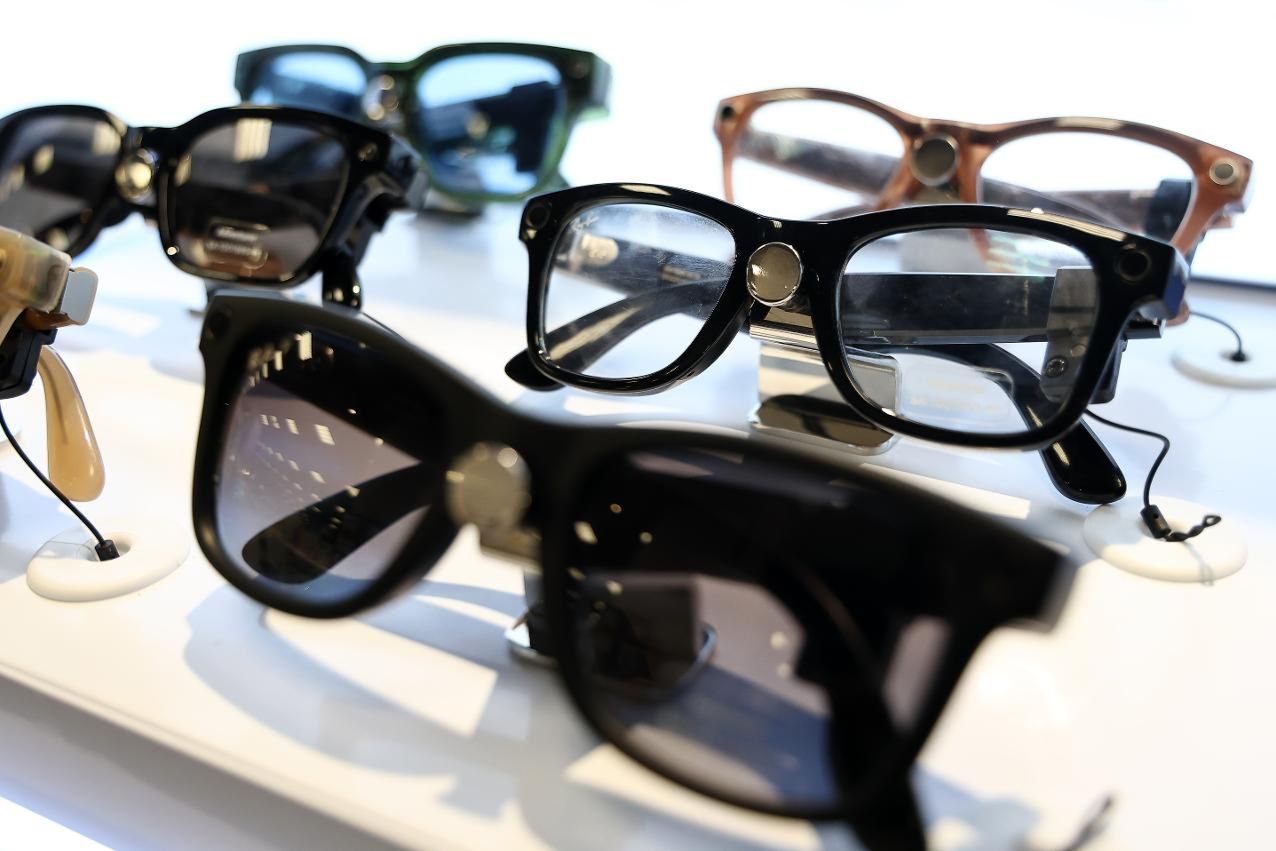
Countries around the world are tightening exam security as cheating with generative artificial intelligence (AI) becomes increasingly sophisticated, introducing measures ranging from computer lockdown software and AI surveillance cameras to smartphone detectors and bans on smart glasses. But even as authorities strengthen their defenses, students and developers continue finding ways around them, fueling an escalating technological arms race between exam administrators and would-be cheaters. In the United States, the College Board, which administers the SAT college entrance exam, uses a dedicated testing application called Bluebook that locks down students’ computers once an exam begins, preventing them from opening other programs or windows. Since March, the organization has also explicitly prohibited smart glasses, even those worn for vision correction. Some overseas testing centers have introduced measures, with students’ consent, that allow facial recognition and the monitoring of keyboard inputs and mouse movements. Yet the restrictions have proved vulnerable. According to a Nov. 6 re