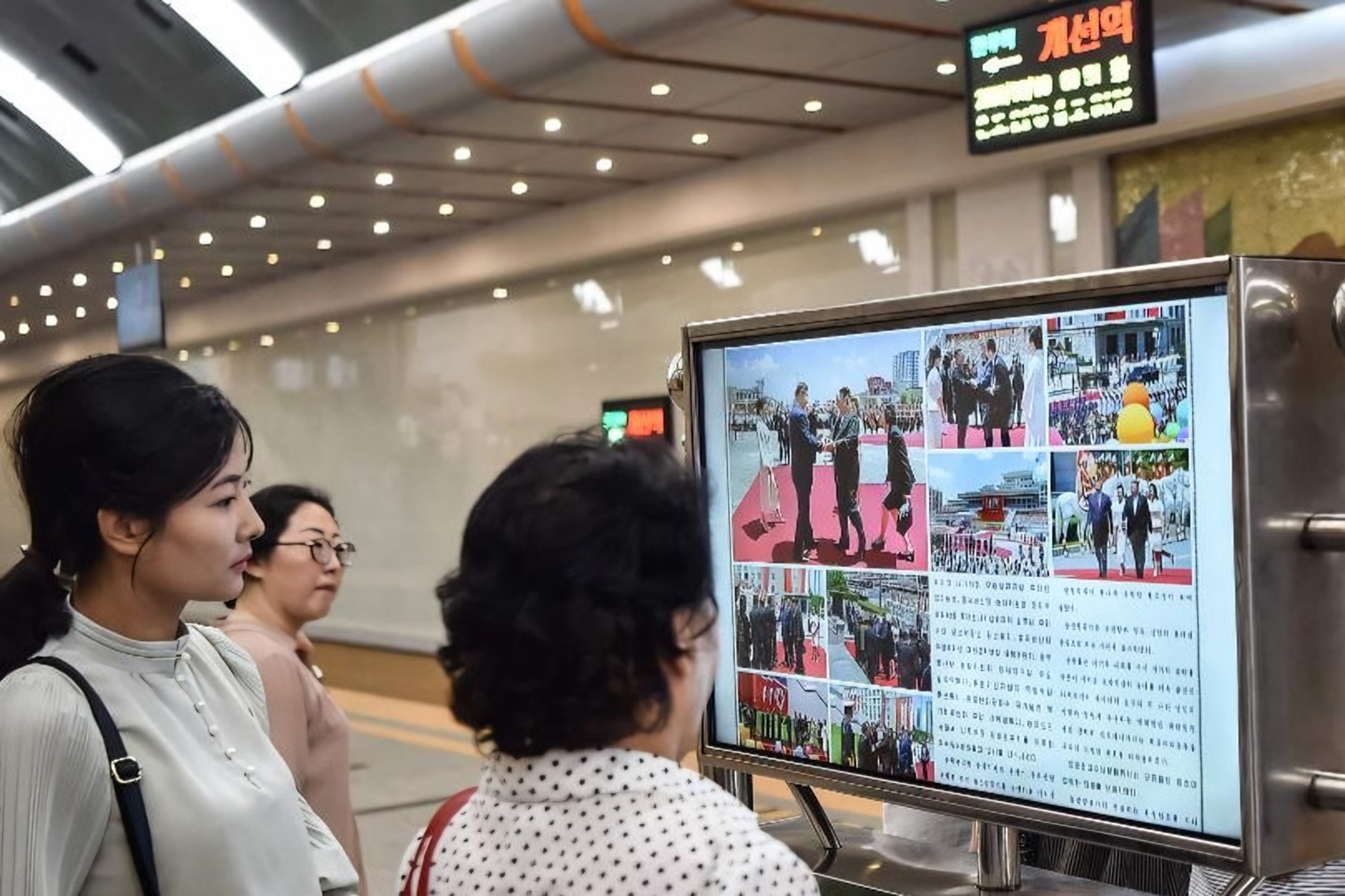
North Koreans’ language habits may seem familiar even to those who have never witnessed them firsthand. Through portrayals of North Korean soldiers in films, comedians imitating North Korean speech, and television programs featuring North Korean defectors, many South Koreans feel they already have a sense of how North Koreans speak. Since the South Korean government reclassified the Rodong Sinmun, the official newspaper of North Korea’s ruling Workers’ Party, as general public material late last year, anyone can now easily access authentic examples of North Korean written language. Yet fully understanding the “Pyongyang Cultural Language,” North Korea’s version of the standard language, remains far from easy. Even the word for “mutual” has changed. While both Koreas once commonly used “sangho,” North Korea now exclusively uses “hosang,” rejecting the former as a South Korean-style expression found in terms such as the Korea-U.S. Mutual Defense Treaty. One can understand the desire to replace foreign loanwords with native Korean terms, but seeing even well-established vocabulary altered i